Ремонт автомобилей in 2024: what's changed and what works
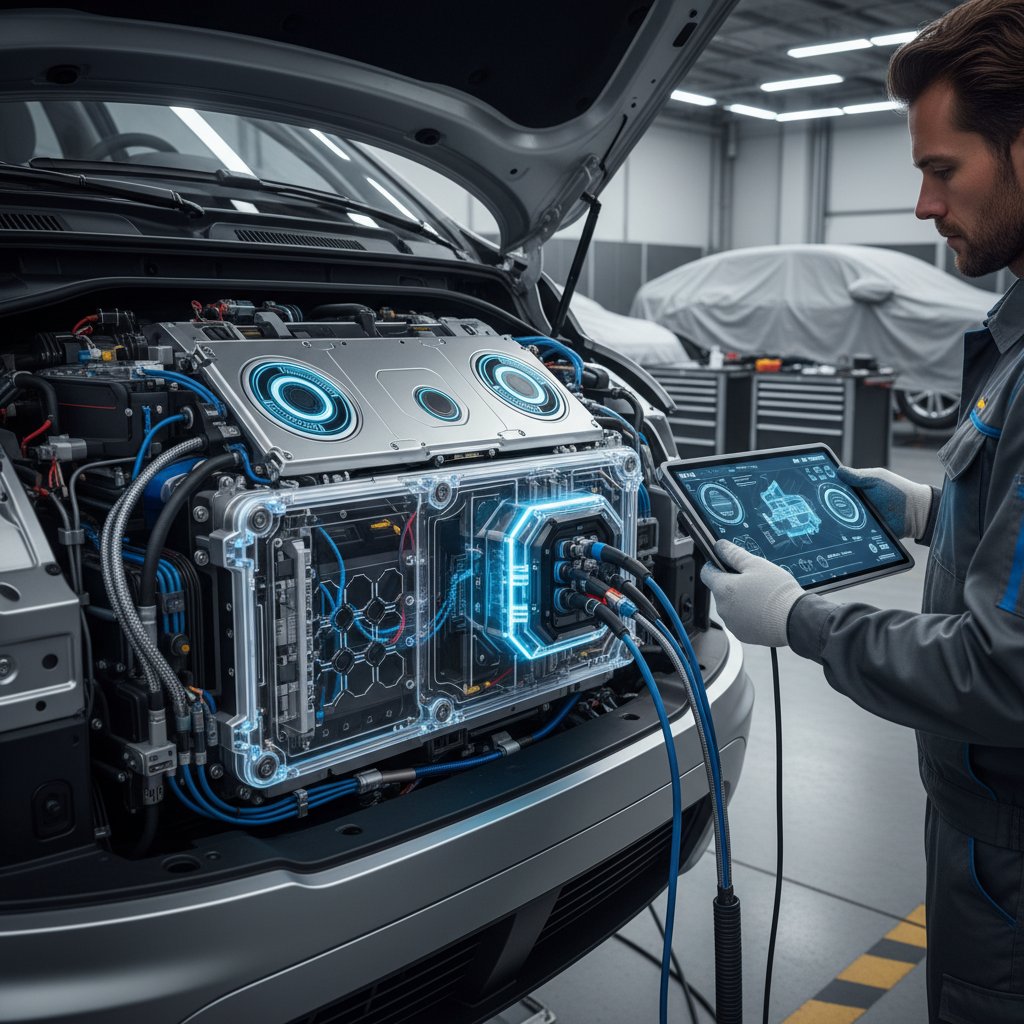
The auto repair landscape has shifted dramatically over the past year. Electric vehicles are flooding repair bays, diagnostic software costs more than some used cars, and your average mechanic needs coding skills alongside their wrench expertise. Here's what actually matters in 2024 if you're getting your car fixed or running a shop.
1. Diagnostic Tools Have Become Subscription Nightmares
Remember when you bought a scan tool once and owned it forever? Those days are dead. Modern diagnostic equipment now runs on subscription models that can cost shops anywhere from $3,000 to $12,000 annually. Manufacturers like Tesla and BMW have locked their systems tighter than Fort Knox, forcing independent shops to either pay up or turn customers away.
The practical impact hits your wallet directly. Shops pass these costs along, which explains why a simple check engine light diagnosis that cost $50 three years ago now runs $120-150 at many places. Some independent mechanics have started specializing in specific brands just to justify the subscription costs for those particular diagnostic systems.
2. EV Battery Repairs Are Still a Wild West
Electric vehicle repairs have created a massive knowledge gap in the industry. Most shops still won't touch EV battery systems, and the ones that do often quote prices that make you want to keep your old gas guzzler. A battery module replacement on a Chevy Bolt, for instance, can run between $8,000 and $16,000 depending on who's doing the work.
The shortage of certified EV technicians means wait times have stretched from days to weeks. Dealerships have backlogs, and independent shops are scrambling to get their mechanics trained and certified. Expect this bottleneck to persist through at least 2025, maybe longer. If you're driving an EV, finding a trusted repair shop now—before you need one—isn't paranoia, it's planning.
3. Right to Repair Legislation Actually Changed Things
Massachusetts voters forced manufacturers' hands, and the ripple effects reached nationwide. Carmakers now provide more access to repair information and tools than they did two years ago. Not willingly, mind you, but they're doing it. This means independent shops can actually compete on newer model repairs instead of sending everyone to the dealership.
The catch? Manufacturers are fighting back with "safety and security" arguments, creating new barriers as fast as old ones fall. Some brands now require shops to register and pay fees for access to certain repair procedures. It's better than before, but we're nowhere near the open access mechanics had with pre-2015 vehicles.
4. Parts Sourcing Has Split Into Two Camps
The parts supply chain reorganized itself around speed versus cost. You've now got the Amazon Prime approach—pay premium prices for same-day or next-day delivery—or wait 5-10 days for reasonable prices. The middle ground evaporated.
Smart shops stock more inventory than ever before, particularly for common repairs on popular models. This ties up their capital but keeps cars moving through bays faster. For customers, this means asking upfront about parts availability. A shop might quote you $400 for a repair, but if they're waiting a week for a $80 part, you're without your car that whole time. Some places now charge storage fees after day three, which nobody tells you about until you're picking up your vehicle.
5. Mobile Mechanics Became Legitimate Competition
The mobile repair market exploded beyond oil changes and battery replacements. Fully-equipped vans are now handling brake jobs, suspension work, and even transmission repairs in customer driveways. These operations run 20-30% cheaper than brick-and-mortar shops because they're not paying for building overhead.
Quality varies wildly, though. Some mobile mechanics are master technicians who got tired of shop politics. Others are parts-changers who learned from YouTube. Check for ASE certifications, insurance coverage, and warranties on work. A mobile mechanic who offers a 90-day warranty on labor is confident in their skills. One who says "all sales final" is probably trouble.
6. Preventive Maintenance Intervals Got Smarter (and Shorter)
Manufacturers quietly revised their maintenance schedules, and not in your favor. That 10,000-mile oil change interval? Many brands walked it back to 5,000-7,500 miles after seeing engine problems in their warranty data. Transmission fluid that was supposedly "lifetime" now needs changing at 60,000-80,000 miles.
Modern engines run hotter and under more stress thanks to turbochargers and direct injection. They're more efficient but less forgiving of skipped maintenance. Shops report seeing catastrophic engine failures on vehicles with under 100,000 miles—something that was rare a decade ago. Following the maintenance schedule isn't optional anymore; it's survival.
The repair industry keeps evolving, and 2024 brought changes that affect how much you'll pay and where you'll get service. Understanding these shifts helps you make smarter decisions about maintaining your vehicle and choosing who works on it. The shops adapting to these realities are the ones that'll still be around in five years.